
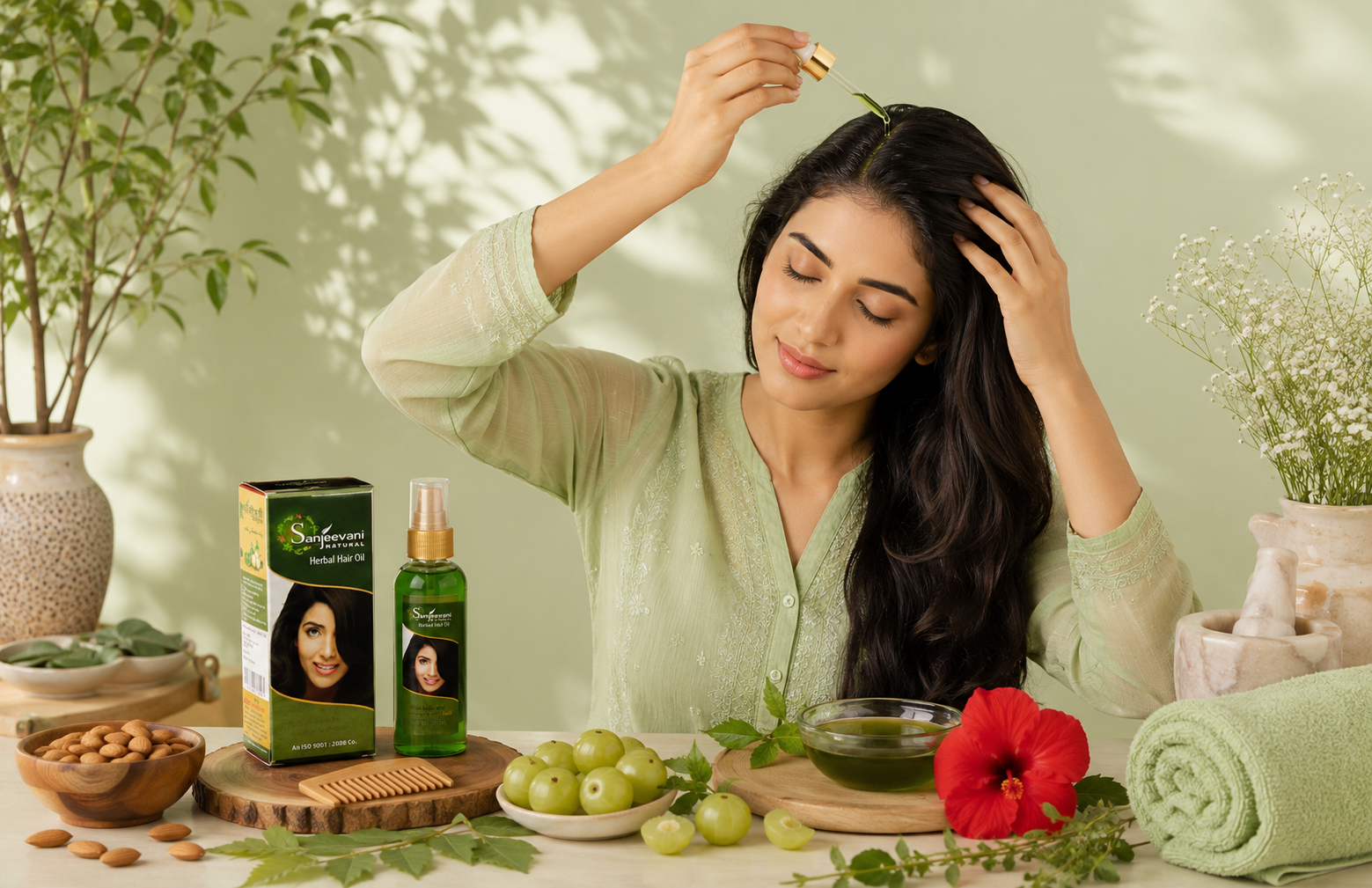
Healthy, beautiful hair starts with a healthy scalp. While modern hair care offers countless products, herbal hair oil remains one of the most trusted and time-tested ways to nourish your hair naturally. For generations, botanical oils and herbs have been used in traditional hair care routines to help maintain soft, shiny, and healthy-looking hair.
Whether you have dry, frizzy, dull, or color-treated hair, incorporating a herbal hair oil into your weekly routine can provide deep nourishment and help keep your hair looking its best.
In this guide, we’ll explore why herbal hair oil is still a great choice for everyday hair care and how you can make it a part of your routine.
Why Hair Oiling Is Important
Your scalp and hair are exposed daily to pollution, dust, sunlight, heat styling, and environmental stress. Over time, this can leave your hair looking dry and lifeless.
Regular hair oiling helps:
- Nourish the scalp
- Moisturize dry hair
- Improve softness and smoothness
- Reduce the appearance of frizz
- Add natural-looking shine
- Support healthy-looking hair
- Make hair easier to manage
- Complement your overall hair care routine
The Power of Botanical Oils
Nature offers some of the finest ingredients for hair care. Herbal hair oils combine plant-based oils with traditional botanicals to provide complete nourishment from scalp to hair lengths.
Let’s explore some of the key ingredients found in herbal hair oil.
Sunflower Oil
Sunflower oil is lightweight and rich in nourishing fatty acids.
Benefits
- Helps moisturize dry hair
- Adds a healthy-looking shine
- Leaves hair soft and smooth
- Helps reduce the feeling of dryness
Coconut Oil
Coconut oil has been a trusted hair care ingredient for generations.
Benefits
- Helps nourish hair from root to tip
- Supports softer and smoother hair
- Helps improve manageability
- Ideal for regular hair oiling
Aloe Vera
Aloe Vera is known for its soothing and hydrating properties.
Benefits
- Helps refresh the scalp
- Supports scalp hydration
- Leaves hair feeling soft
- Complements botanical hair care
Almond Oil
Almond oil is a popular beauty ingredient valued for its nourishing qualities.
Benefits
- Helps improve hair softness
- Adds natural shine
- Supports smoother-looking hair
- Makes hair easier to comb and style
Fenugreek (Methi)
Fenugreek has long been used in traditional hair care.
Benefits
- Helps nourish the scalp
- Supports healthier-looking hair
- Leaves hair feeling stronger and smoother
- A valued ingredient in herbal hair care
Peanut Oil
Peanut oil is another botanical oil used in nourishing hair care formulations.
Benefits
- Helps condition the hair
- Locks in moisture
- Supports soft, manageable hair
- Complements other natural oils
Why Choose Herbal Hair Oil?
Unlike ordinary hair oils, herbal hair oils combine the goodness of multiple botanical ingredients in one formula.
A quality herbal hair oil can help:
- Nourish the scalp
- Improve the appearance of dry hair
- Enhance softness
- Reduce roughness
- Add natural shine
- Support healthy-looking hair
- Leave hair feeling smooth and manageable
How to Apply Herbal Hair Oil Correctly
Following the right application method helps you get the most out of your hair oil.
Step 1
Take a small amount of herbal hair oil in your palm.
Step 2
Section your hair and apply the oil directly to the scalp.
Step 3
Massage gently using your fingertips for 5–10 minutes.
Step 4
Work the remaining oil through the lengths of your hair.
Step 5
Leave it on for at least 1–2 hours or overnight before washing.
How Often Should You Oil Your Hair?
The ideal frequency depends on your hair type.
Dry Hair
2–3 times a week
Normal Hair
2 times a week
Oily Hair
Once a week
Curly Hair
2–3 times a week
Color-Treated Hair
1–2 times a week
Simple Weekly Hair Oiling Routine
Monday
Herbal Hair Oil Massage
Wednesday
Light scalp massage
Friday
Deep overnight oiling
Weekend
Wash hair and enjoy soft, refreshed-looking hair
Tips to Get the Best Results
- Warm the oil slightly before use (avoid overheating).
- Massage gently instead of rubbing vigorously.
- Use consistent weekly oiling.
- Wash with a gentle cleanser after oiling.
- Avoid excessive heat styling.
- Maintain a balanced diet and stay hydrated.
Common Hair Oiling Mistakes to Avoid
- Applying excessive oil
- Skipping scalp massage
- Washing hair immediately after applying oil
- Leaving oil on for several days
- Using very hot oil
- Applying oil on a dirty scalp
- Being inconsistent with your routine
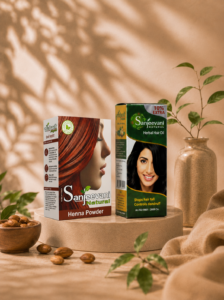
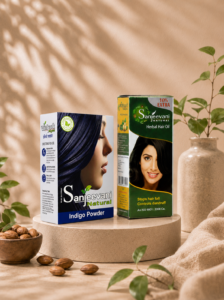
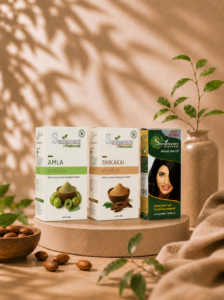
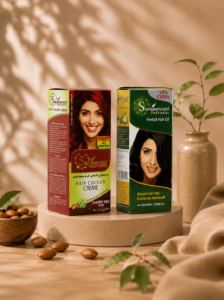
Why Choose Sanjeevani Natural Herbal Hair Oil?
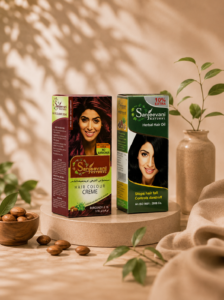
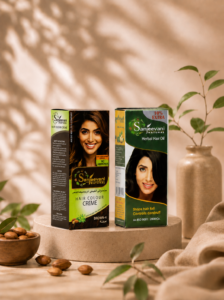
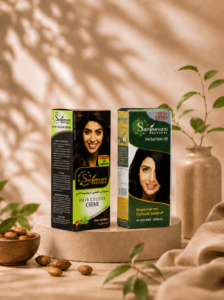
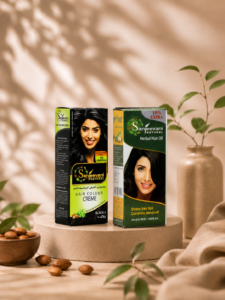
At Sanjeevani Natural, we believe that effective hair care begins with trusted botanical ingredients. Our 100% Natural Herbal Hair Oil is thoughtfully crafted with a nourishing blend of:
- Sunflower Oil
- Coconut Oil
- Aloe Vera
- Almond Oil
- Fenugreek (Methi)
- Peanut Oil
This carefully selected combination helps nourish the scalp, condition the hair, improve softness, and add a healthy-looking shine as part of your regular hair care routine.
Final Thoughts
Healthy hair isn’t achieved overnight—it comes from consistent care and the right ingredients. Regular oiling with a botanical-rich herbal hair oil can help nourish your scalp, improve hair manageability, and leave your hair looking soft, smooth, and naturally radiant.
Whether you’re beginning your hair care journey or enhancing an existing routine, Sanjeevani Natural Herbal Hair Oil offers a simple, nature-inspired way to care for your hair every week. By combining traditional botanical ingredients with everyday hair care practices, you can enjoy hair that looks healthier, feels softer, and shines with natural beauty.

Est tenetur molestiae sed voluptatem Quo nulla optio sequi sit dolorem laborum. Commodi sint minus occaecati est asperiores Non dolores. Id dolores et rerum Reprehenderit voluptatibus sed modi hic.
Eligendi culpa cum sit fficiis inventore nulla non maiores culpa optio ducimus est ullam at nisi ea. Consequatur et culpa accusamus ea. Incidunt velit dicta doloremque repellat quo magnam
Harum et libero debitis ea aspernatur vel est. Vel ab enim eveniet earum
In odit sunt sed. Maiores tempora ut ducimus accusantium. Aut voluptatibus et quidem quibusdam ea nisi